
A safe space to learn & grow
Published in Lucknow Times · Sunday, July 13, 2025
Modern School fosters a culture of emotional safety, encouraging students to ask questions, share ideas and express themselves freely, states the director. “This nurturing environment sparks creativity and confidence, allowing young minds to flourish. We are the first IB World School in Lucknow. Modern School is shaping a culture where children aren’t afraid to speak, try, or get things wrong,” shares the director of the school. We also spoke with Meena Kane, Principal, and Manisha Rathore, Headmistress about how they’re building this culture in the schools and why it matters in today’s classrooms. Excerpts…
What happens when classrooms are free of fear?
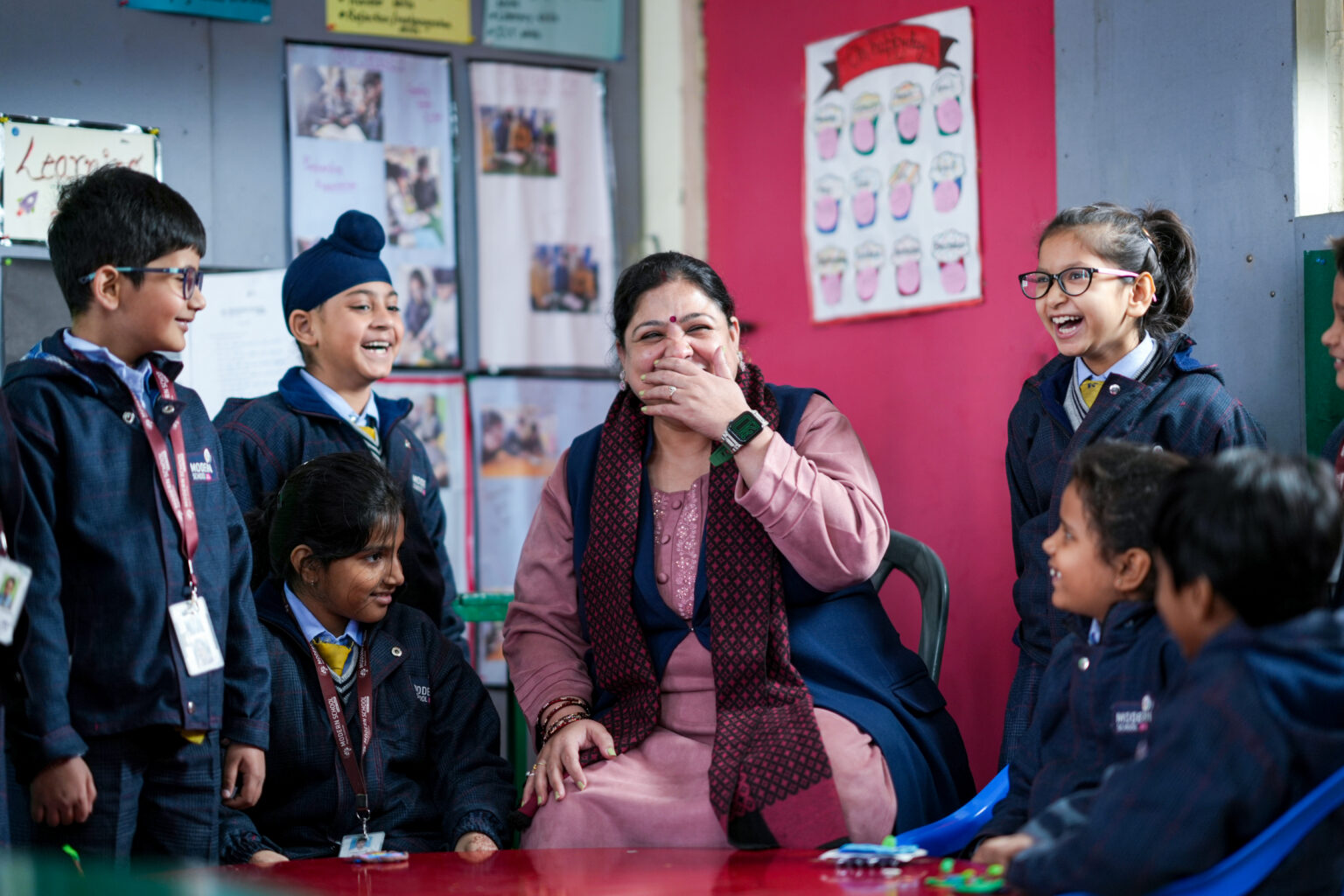
Meena: When children grow up in classrooms free of fear, they are able to ask real questions, take risks and express what they truly think without scanning the room first. When children feel emotionally safe, there is naturally a growing shift you can notice in the classrooms which builds real participation and confidence.
Why is emotional safety such a big focus?
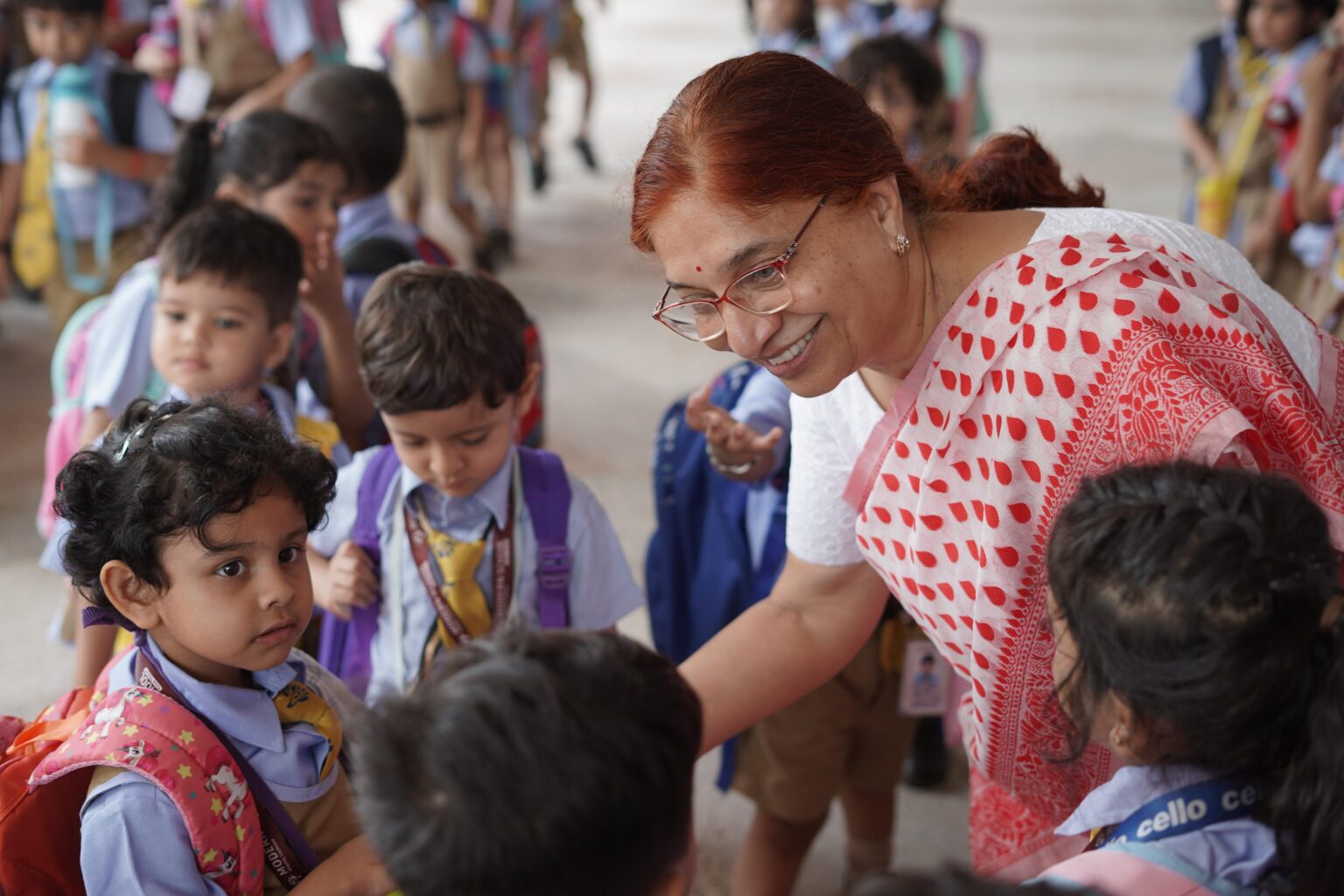
Manisha: We focus on the emotional safety of the students as fear makes children feel smaller. At Modern, we believe it’s our job to expand them. We’ve removed the typical fear triggers like shaming, public correction, and harsh comparisons. We also keep our student-teacher ratio at 1:25, so no child disappears into the background.
What does that look like day to day?
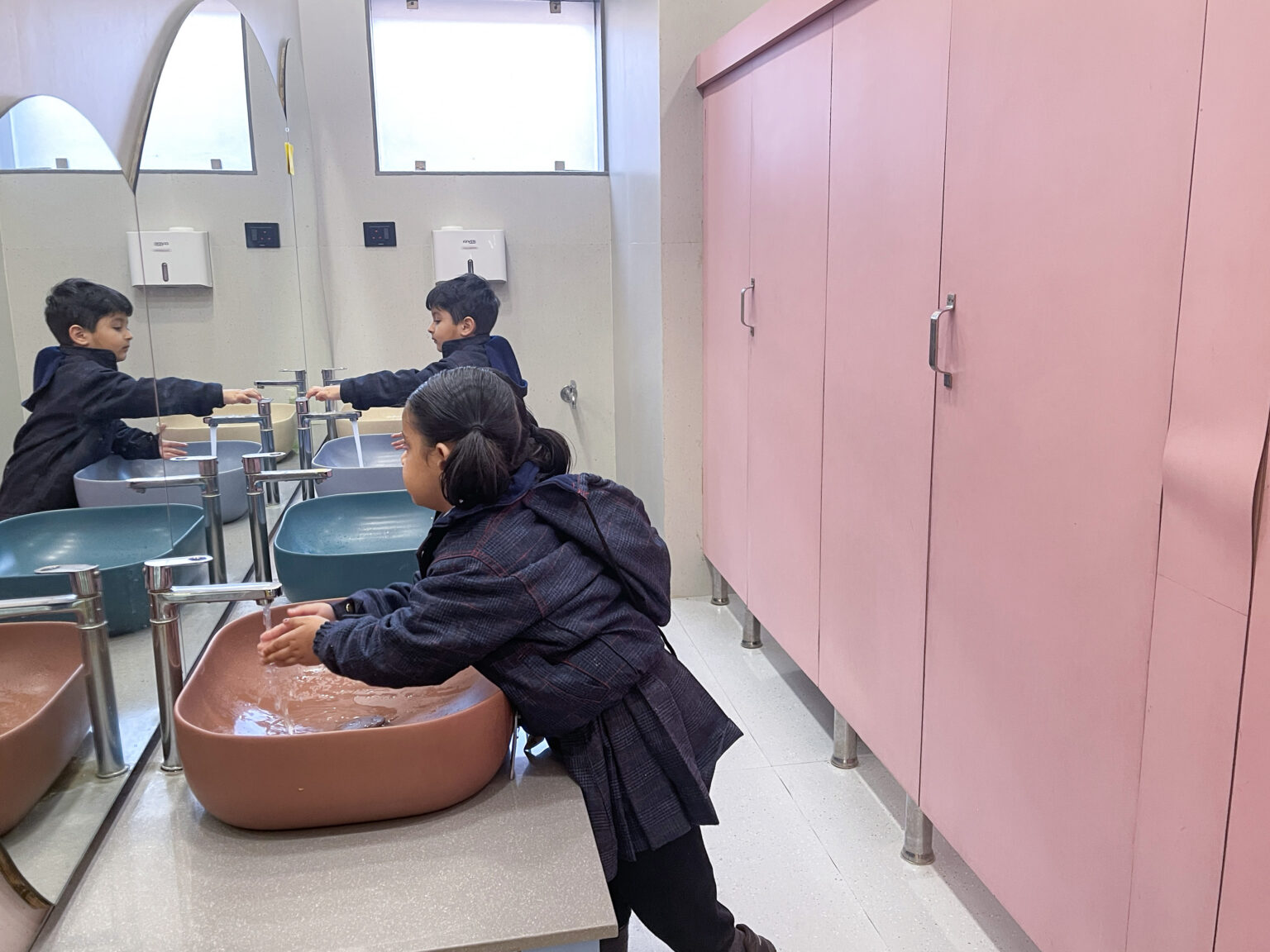
Meena: If I speak of an example, it looks like a child saying, “I disagree” and being heard with respect. Such a welcoming environment makes a child stumble on an answer and smile as they try again. Even our washrooms reflect that care. They’re clean, child-sized, and always attended.
Manisha: Emotional safety is built in small moments which we are trying to work upon in school. Like when a teacher lowers their voice instead of raising it or a peer waiting for a classmate to finish their thoughts. A class agreement gently referenced in the middle of a conflict. These aren’t add-ons but a consequence of the environment we are working in.
How did you build that culture?
Manisha: To build such a culture in the school, we start by training teachers to be facilitators, not instructors. Children also play a huge role in building that culture. They help co-create class agreements by simple, shared values that define how we want to treat each other.
Meena: Class agreement is a simple list of values made together by students and their teacher like finish classwork before play time or listen completely before replying.
How do you know it’s working?
Manisha: We see that in the small shifts like when a child who once stayed silent starts volunteering ideas, or when a teacher says, “This class feels calm, but alive.” Emotional safety is hard to measure on paper, but it’s easy to feel.
Meena: And when we see children taking emotional safety beyond the classroom, like listening to each other, resolving disagreements gently, even comforting a friend. That’s when we know it’s working.