
Building fear-free learning: A founder’s lasting vision
Published in Lucknow Times · Sunday, April 5, 2026
Long before it became an institution, Modern School began with a quiet but powerful inquiry into how children experience learning. In an exclusive interview, Siddhartha Kapoor, Director, Modern School shares how this thought shaped the school’s foundation and why emotional safety remains central to its approach. Excerpts…
How did the school begin, and what was the idea behind it?
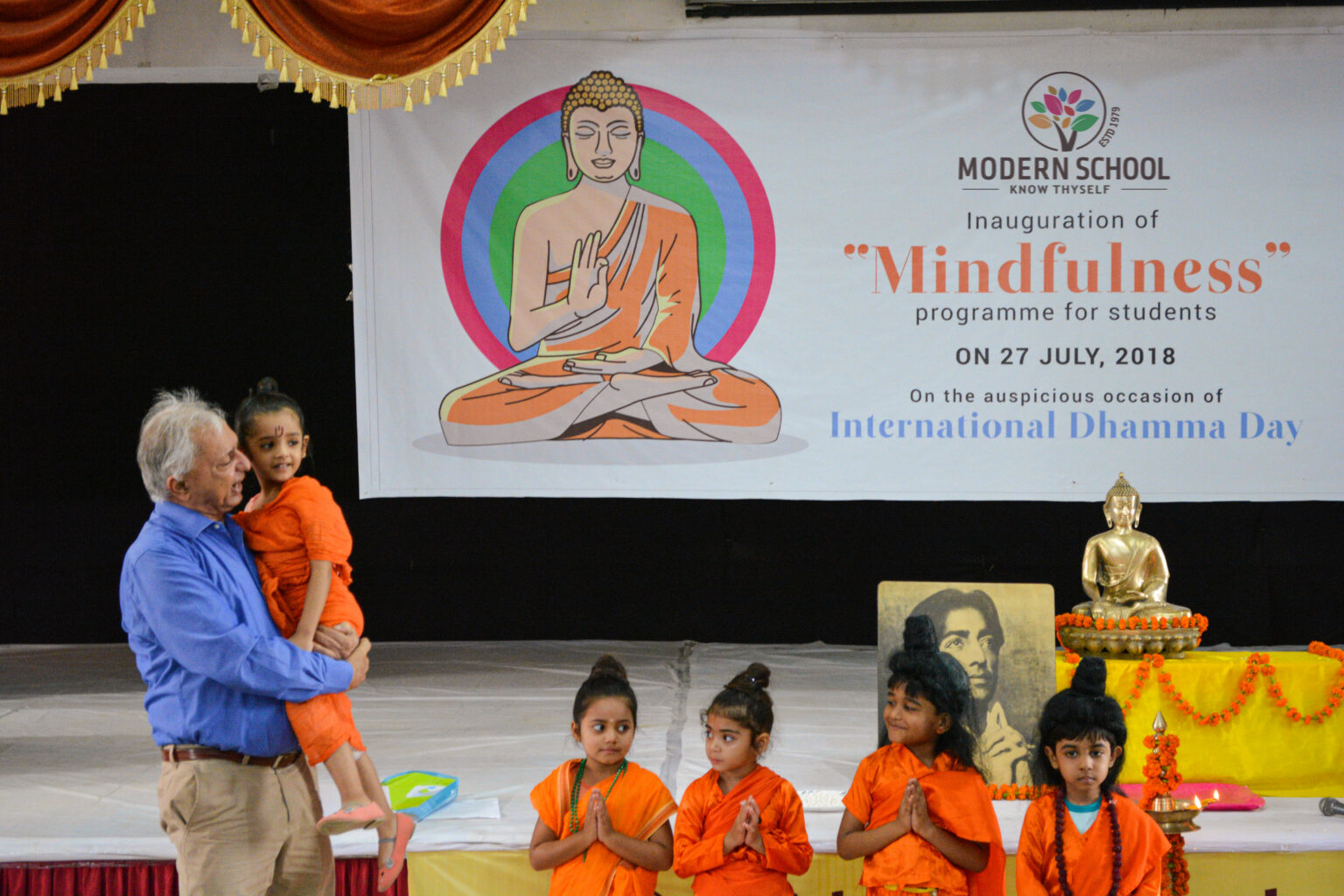
Modern School was founded in 1979 by my late father, Rakesh Kapoor, but it didn’t begin with a building or a curriculum, it began with a question: what happens to a child’s mind in school? At the time, a majority of schools focused on marks, discipline and performance, but my father was concerned about something deeper, fear, whether it was fear of failure, judgment or not being good enough.
What shaped your father’s philosophy towards education?
Deeply influenced by Jiddu Krishnamurti’s teachings—that mental conflict breeds unhappiness and pushing children to be something they’re not causes anxiety—he later studied at Teachers College, Columbia University, refining his views on human relations and learning. Above all, his career centered on inquiring into children’s thoughts and feelings to create nurturing schools focused on understanding before guidance.
How did this philosophy shape the school?
The school’s founding mission statements—learning without cramming, excellence without distress, discipline without fear, and mutual-regard relationships—still guide our education philosophy. Discipline means helping children understand actions, not control or punishment; excellence means anxiety-free growth. Even in the 1980s, this was rare, but for my father, it was the only way to build a school.
What does emotional safety translate in your school?
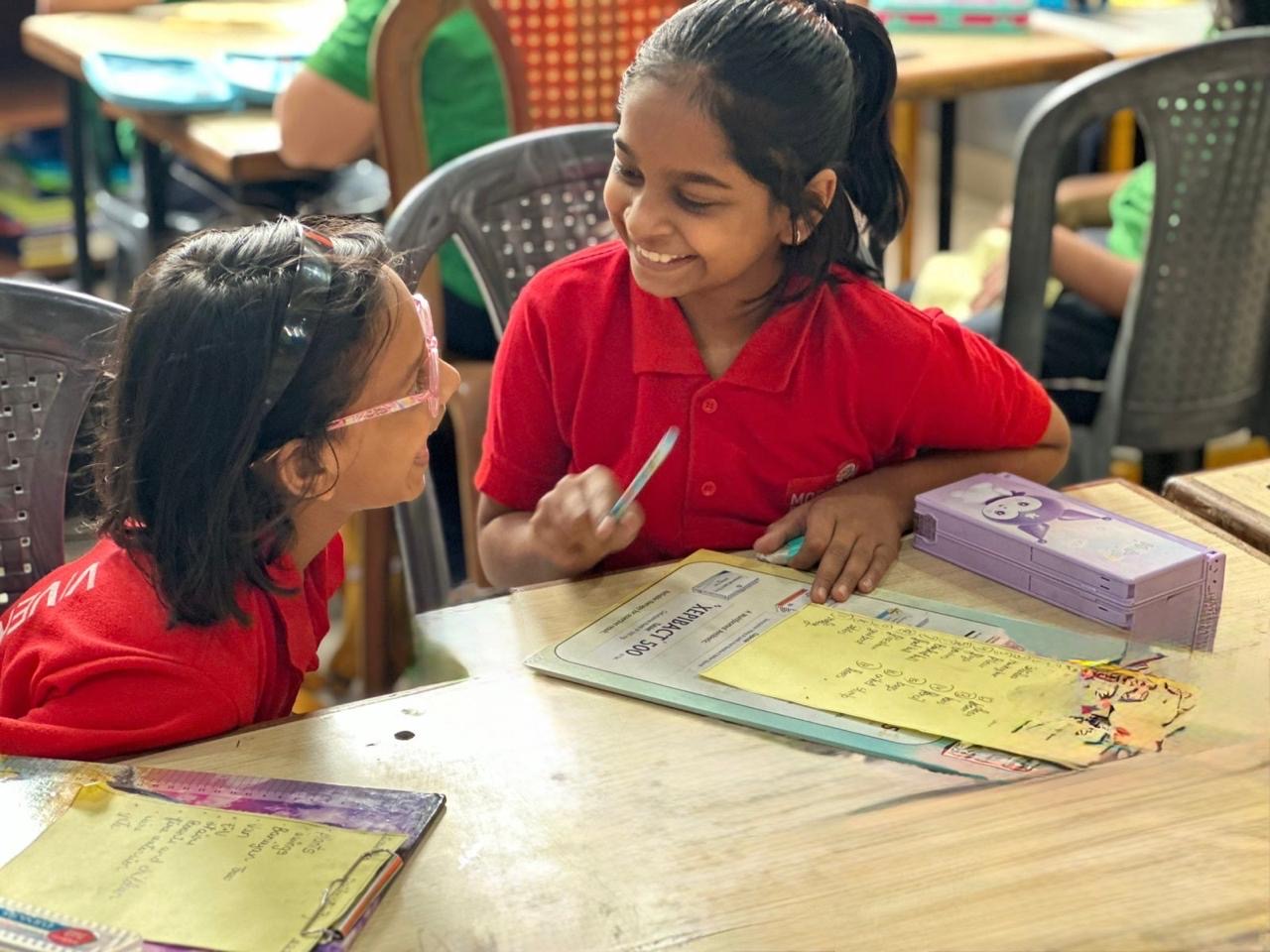
My late father built a school where children feel safe to be themselves—seen, heard, and respected—creating emotional safety for students, teachers, and staff alike. We’ve strengthened it with class agreements, student voice, and teacher training, but the foundation endures: remove fear from learning, not challenges.
What is the one belief that still shapes your school today?
One guiding thought endures: a school is defined not by results, but by how children feel entering it—safe, valued, unafraid—ensuring learning and success follow. My father’s question remains: Are children truly free and happy to learn?